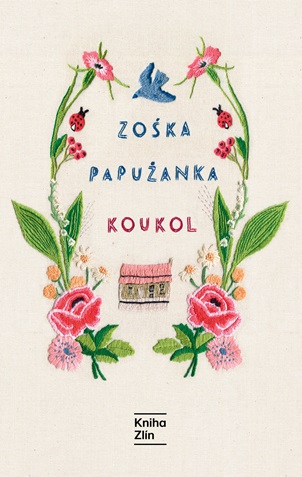
A return to childhood and summer vacations in the countryside sounds idyllic. But isn’t it just an illusion created in adulthood? The novel Koukol is told from the perspective of an 11-year-old narrator who is trying to make sense of the complicated relationships among her closest family members. The father, an authoritarian figure, is himself controlled by his infallible grandfather, while the mother has not been accepted by her new family. The child’s perspective reveals everyday conflicts, injustices, and feelings of guilt in a different light. The narrator sometimes attributes them to her own mistakes, sometimes sees them as part of a fairy tale, and at other times simply describes them in a way an adult wouldn’t – which only serves to highlight their complexity even more. Our memories are a bit like corncockle: at first glance, the beautiful flowers have poisonous seeds.
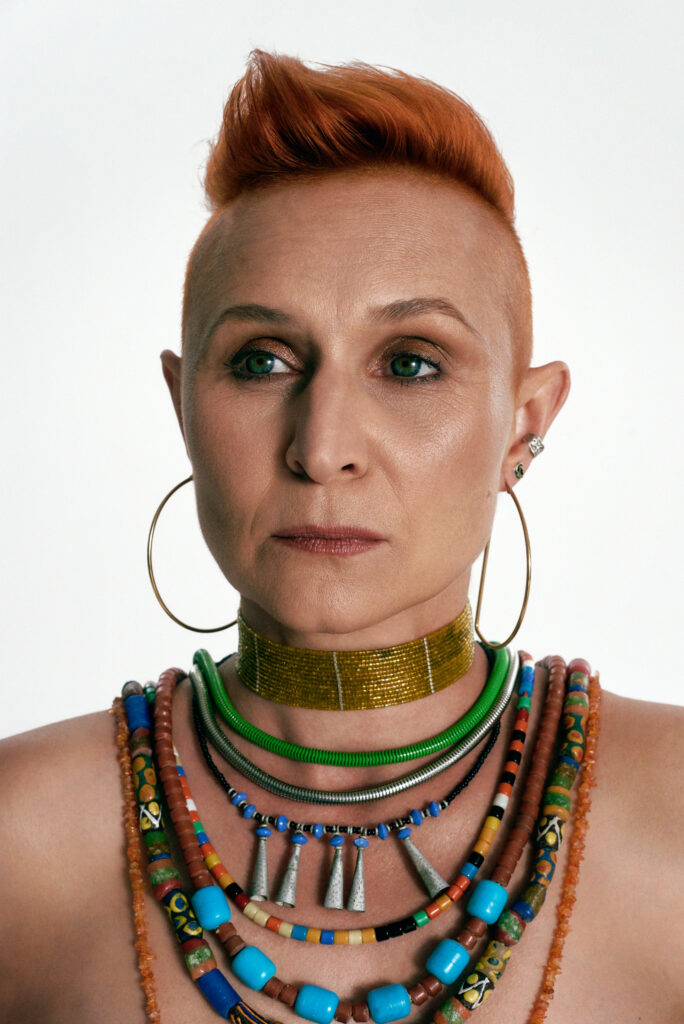
Zośka Papużanka (* 1978) is a Polish novelist and theater scholar who made her debut in 2012 with the novel Szopka, which was very well received by literary critics. Papużanka is acclaimed for her linguistic playfulness and surprising shifts in narrative strategy and themes. In her novel On (2016), she returns to the setting of a communist school; in her short story collection Przez (2020), she tells the story of a man who begins to stalk and photograph his ex-partner; and in her latest novel, Solo (2025), she explores the various ways women cope with loneliness. Her novel Żaden koniec (2023) has been published in Czech.